


5 Foods to Avoid With Low Back Pain
Updated: Aug 24
Reviewed for scientific accuracy by Estelle Garcia, MTM — Founder & CEO, LivaFortis.
Low back pain affects millions of Americans and is the single leading cause of disability worldwide, according to the CDC's Global Burden of Disease data. Experts estimate that up to 80% of people will experience back problems at some point in their lives.
Because pain is so personal and every body responds differently, there is no single cure. However, there are things you can do to help your recovery. One of them might be hiding in your kitchen.
Medication is often the first thing people reach for. But what if the answer was in your pantry, not your medicine cabinet? There is a growing body of evidence that what we eat can directly affect the amount of inflammation in our bodies. Inflammation plays a big role in how we experience pain, including low back pain.
That's right! When it comes to low back pain, there are a variety of foods that can help relieve the pain, and others that you should avoid. Let's explore!
Food As Medicine
The idea of food as medicine has been around for centuries. An Ayurvedic proverb puts it bluntly: "When diet is wrong, medicine is of no use. When diet is correct, medicine is of no need." That may be a little extreme since there is absolutely a time and a place for medicine. However, it does invite us to take a look at our environment before reaching for the pill bottle.
When it comes to musculoskeletal conditions like low back pain, the science is starting to catch up. We now know that inflammation affects not just conditions like heart disease and cancer, but also our joints, muscles, and spine. Certain foods are measurably more inflammatory than others.

Key Takeaway: Emerging research confirms that food affects inflammation in the musculoskeletal system, not just in cardiovascular or metabolic conditions.

What Does Inflammation Have to Do With Low Back Pain?
Inflammation is the body's natural defense system. When you injure a muscle or pick up an infection, the body sends white blood cells to the affected area. This increases blood flow and triggers swelling, warmth, and pain. In normal circumstances, once the threat is gone, the inflammation resolves and everything returns to baseline.
The problem arises when the inflammation becomes chronic and doesn't switch off. This can happen due to untreated injuries, autoimmune conditions, long-term exposure to irritants like pollution or chemicals, or, more importantly, what we eat.

The level of inflammation in your body can actually be measured. A blood marker called C-reactive protein (CRP) rises when inflammation is present. Research has shown that certain dietary patterns consistently raise CRP levels, increasing your risk of chronic inflammation and the pain that can come with it.
Key Takeaway: Chronic inflammation (which can be driven by diet) contributes to the pain experience in low back conditions. C-reactive protein (CRP) is a measurable blood marker of inflammation.
In the right situation, once the body heals from the virus, injury, or bacteria, the inflammation goes away and everything returns to normal. This is commonly known as localized inflammation, and it can be one cause of low back pain.

5 Foods To Avoid With Low Back Pain
Now that we understand the connection between diet and inflammation, let's look at the specific foods that have been shown to drive inflammatory processes in the body. Here are some key foods to cut back on if you're struggling with low back pain. Let's take a look!

1. Sugary Foods
Sugar is one of the biggest dietary drivers of inflammation. It contributes to weight gain, tooth decay, and diabetes. But it also directly triggers inflammatory pathways in the body. If you are struggling with low back pain, the amount of sugar you're consuming each day is worth a close look.
The average American consumes around 17 teaspoons (approximately 71 grams) of added sugar per day — well above recommended limits. The obvious offenders are sodas, candy, and pastries. But hidden sugars are just as problematic. Packaged savory foods — including pasta sauces, breakfast cereals, flavored yogurts, and breakfast bars — can contain as much as 6 teaspoons (29 grams) of sugar per serving. Food manufacturers also disguise sugar under names like fructose, dextrose, maltose, and sucrose.
"Added sugar intake above recommended levels is associated with increased inflammatory markers including C-reactive protein." — *American Journal of Clinical Nutrition

Sugar Alternatives
Avoiding sugar is hard! If you need to satisfy your sweet tooth, try adding some fresh fruit to your meal. Fresh fruit can satisfy sweet cravings while providing fiber and antioxidants that work in the opposite direction — reducing inflammation.
Making your own pasta sauce at home can help you avoid the hidden sugars found in jarred versions. When reading labels, look for ingredient names ending in "-ose" as a signal of added sugar. If you just don’t have the time to make your own sauce (we get it — life can be hectic), then try to buy sauces kept in the cold section of your grocery store. Adding a delicious fruit salad or a juicy apple to your meal can also help keep those sweet cravings at bay.
Key Takeaway: Hidden sugars in packaged "healthy" foods can be just as inflammatory as obvious sources like candy and soda. Check ingredient labels for names ending in "-ose."

2. Vegetable Oil
Most refined vegetable oils — including canola, safflower, soybean, and corn oil — are high in Omega-6 fatty acids. In small amounts, Omega-6 fats aren't actually harmful. The issue is balance: the body requires a careful ratio of Omega-3 to Omega-6. When Omega-6 consumption far outpaces Omega-3, it tips the body's chemistry toward an inflammatory state.
Refined vegetable oils pose another problem. When heated to high temperatures (which is common in cooking and frying) they oxidize. Oxidized fats are known to trigger inflammatory processes and can damage body tissues over time.
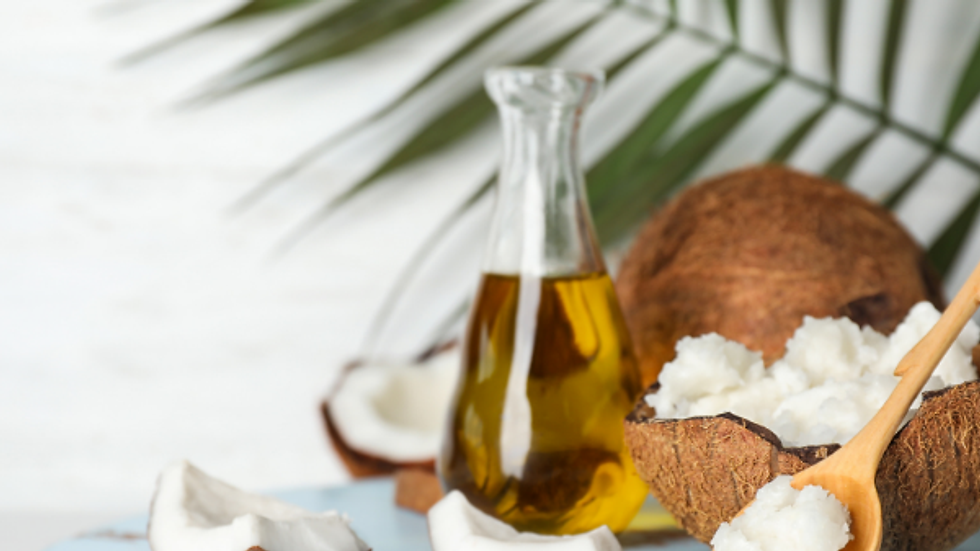
Better alternatives: Cold-pressed, unrefined oils generally offer a healthier fatty acid profile. Olive oil, avocado oil, coconut oil, and sesame seed oil are widely available and work well for both cooking and baking. Extra-virgin olive oil, in particular, has been extensively studied for its anti-inflammatory properties.
Key Takeaway: The imbalance between Omega-6 and Omega-3 fats in refined vegetable oils promotes inflammation. Switch to cold-pressed alternatives like olive oil or avocado oil.

3. Red Meat
Poor red meat. Red meat consistently appears on lists of pro-inflammatory foods for a few key reasons. First off, red meat is high in saturated fats, which have been shown to promote inflammation. Second, red meat contains a compound called Neu5Gc, a type of sugar molecule that the human body cannot produce on its own.
When Neu5Gc from red meat enters the body, the immune system may recognize it as foreign and mount an inflammatory response. There is a growing body of research exploring this mechanism. Work published in the Proceedings of the National Academy of Sciences found that Neu5Gc from dietary sources can promote chronic inflammation and associated conditions.
"Dietary Neu5Gc from red meat, combined with circulating anti-Neu5Gc antibodies, may contribute to the chronic inflammation associated with several human diseases." — *Proceedings of the National Academy of Sciences, 2015

Better alternatives: You don't have to go fully plant-based to reduce your red meat consumption. Wild-caught fish, pastured poultry, and pork are good protein sources that don't carry the same inflammatory profile as red meat. Legumes (lentils, chickpeas, black beans) are also excellent protein sources with anti-inflammatory properties.
Key Takeaway: Red meat is high in saturated fats and contains Neu5Gc, a compound that can trigger an immune response and promote inflammation. Consider swapping some servings for fish or legumes.

4. Refined Carbohydrates
According to Scientific American, refined carbohydrates may pose a greater health risk than trans fats. White bread, white rice, sugary cereals, pastries, and pizza made with refined flour all fall into this category. These foods behave similarly to pure sugar in the body. They are broken down and absorbed quickly, causing a rapid spike in blood glucose and triggering a corresponding inflammatory response.
Modern refined grains also tend to have a higher glycemic index than their less-processed predecessors. On top of that, many processed grain products also contain added sugar, which helps to extend their shelf life and compounds the blood sugar impact.

We don’t know about you, but avoiding carbs completely can be a challenging thing to do. Switching to whole grain versions of your favorite foods can help your food take longer to digest and they don't cause the same blood sugar spikes. Oatmeal, brown rice, quinoa, whole grain bread, and legumes are all good replacements. The fiber in these foods also acts as a prebiotic, supporting gut health, which has its own connection to systemic inflammation.
Key Takeaway: Refined carbohydrates spike blood sugar rapidly, triggering inflammation. Whole grain alternatives like oats, brown rice, and quinoa are digested more slowly and have a far lower inflammatory impact.

5. Alcohol
A nice glass of wine or a cold beer at the end of a long day might sound like the perfect way to relax and reward yourself. Unfortunately, it might be having the opposite effect.
Research suggests that alcohol causes inflammation in the intestinal lining and actually impairs the body's natural ability to regulate that inflammatory response. These effects don't stay contained to your gut — they can travel throughout the body. Have you ever noticed your face looking puffy the morning after drinking? That visible puffiness is a classic sign of widespread, alcohol-induced inflammation. For someone already experiencing low back pain, this additional inflammatory load is not helpful.
"Alcohol disrupts the gut barrier, allowing inflammatory molecules to enter the bloodstream and affect systemic inflammation." — *Alcohol Research: Current Reviews

Giving up that relaxing nightcap might be tough but, fortunately, non-alcoholic options have come a long way! Try making a fun mocktail with sparkling water and fresh fruit (blackberries and muddled mint work particularly well here) or try a relaxing herbal tea. If giving up alcohol entirely feels too difficult right now, reducing to one drink per evening is a good first step.
Key Takeaway: Alcohol promotes intestinal inflammation and impairs the body's ability to regulate it. Visible puffiness the morning after is a sign of this systemic inflammatory response.

Anti-inflammatory Foods
It can feel overwhelming to focus on everything you're giving up. A more sustainable approach is to start by adding anti-inflammatory foods to your diet while gradually making small substitutions. Over time, these additions can crowd out some of the inflammatory ones.
For a deeper look at the relationship between nutrition and back pain, see our blog on 9 ways nutrition and low back pain are connected. Here are some of the best anti-inflammatory foods to incorporate:
Fatty fish — salmon, tuna, mackerel, sardines, anchovies (rich in Omega-3 fatty acids)
Berries — blueberries, strawberries, and raspberries (high in antioxidants called anthocyanins)
Dark leafy greens — spinach, kale, Swiss chard
Legumes and pulses — lentils, chickpeas, black beans
Nuts and seeds — walnuts, flaxseeds, chia seeds
Olive oil — extra-virgin olive oil contains oleocanthal, a compound with anti-inflammatory properties similar to ibuprofen
Herbs and spices — turmeric, ginger, garlic, cinnamon, oregano, rosemary, cloves
Key Takeaway: Rather than focusing only on what to eliminate, try adding anti-inflammatory foods first. Fatty fish, berries, olive oil, and spices like turmeric and ginger are excellent starting points.
A Note on the Latest Research
A 2023 study on patients with temporomandibular disorder (TMD) raised an interesting question about inflammation's role. The researchers found that inflammation may actually help prevent certain types of pain in some contexts. Medications designed to suppress inflammation might be counterproductive for long-term pain relief.
"Painkillers that work by suppressing inflammation might be counterproductive for relieving pain in the long run."
Some researchers have suggested this may help explain why exercise and physical therapy are so consistently effective for musculoskeletal conditions like low back pain. These methods work with the body's natural processes rather than suppressing them. This is a single study, and more research is needed. But it reinforces a broader point: diet and lifestyle approaches are not about eliminating the body's natural functions. They're about keeping those functions in healthy balance.
Key Takeaway: Emerging research suggests inflammation is more complex than previously thought. Physical therapy and exercise remain among the most evidence-based interventions for low back pain.

Conclusions
Low back pain is the leading cause of disability worldwide (Lancet, Global Burden of Disease Study). But that also means it is one of the most studied conditions in medicine. While there is no single cure, we know more than ever about what helps and what hurts.
The five foods covered here (sugary foods, refined vegetable oils, red meat, refined carbohydrates, and alcohol) have all been shown to promote inflammatory processes that can worsen pain. Reducing them and replacing them with anti-inflammatory alternatives is a practical, evidence-based step you can take starting today.
Small, sustainable changes are more effective than trying to overhaul your diet all at once. Every substitution you make — choosing olive oil over vegetable oil, whole grains over white bread, or sparkling water over a beer — is a step toward reducing inflammation and supporting your recovery.
Have a favorite anti-inflammatory food or swap that's made a difference for you? We'd love to hear about it.
And remember: if your back pain lasts longer than 72 hours, or if it has persisted for 3 or more months, *consult your healthcare provider. Diet is a powerful complement to medical care — but it isn't a replacement for it. You may also find it helpful to review our guide to medications for low back pain or explore home remedies for low back pain for more options.

FAQs
Can food really affect low back pain?
Yes. Research has shown that certain foods increase levels of C-reactive protein (CRP), a blood marker of inflammation. Because inflammation plays a direct role in how we experience pain — including musculoskeletal pain like low back pain — what you eat can influence how much pain you feel. Reducing inflammatory foods and adding anti-inflammatory ones can be a meaningful part of a pain management strategy.
What is the worst food for low back pain?
Sugary foods are among the biggest contributors to inflammation. The average American consumes around 17 teaspoons of added sugar per day, well above recommended limits. Refined carbohydrates and processed foods with hidden sugars are also major offenders. These foods spike blood sugar quickly, triggering an inflammatory response in the body.
Is red meat bad for low back pain?
Red meat contains saturated fats and a compound called Neu5Gc, which the human body cannot produce. When Neu5Gc from red meat enters the body, the immune system can recognize it as a foreign substance and mount an inflammatory response. Regular consumption of red meat has been linked to higher levels of systemic inflammation.
Does alcohol make back pain worse?
Yes. Research suggests that alcohol causes inflammation in the intestines and impairs the body's ability to regulate that inflammation. This effect can extend beyond the gut and affect other parts of the body, including the musculoskeletal system. Puffiness after drinking is a common visible sign of this inflammatory response.
What foods help reduce low back pain?
Anti-inflammatory foods that may help reduce low back pain include: fatty fish like salmon, tuna, mackerel, and sardines; berries such as blueberries, strawberries, and raspberries; dark leafy greens; legumes and pulses; nuts and seeds; olive oil; and anti-inflammatory herbs and spices like turmeric, ginger, garlic, and cinnamon.
How quickly can diet changes reduce inflammation and back pain?
Diet changes are not an overnight fix. However, research on anti-inflammatory eating patterns — like the Mediterranean diet — suggests measurable reductions in inflammatory markers (such as CRP) can occur within a few weeks of consistent change. Small, sustainable substitutions over time are generally more effective than trying to overhaul everything at once.
Are vegetable oils bad for back pain?
Most refined vegetable oils — such as canola, safflower, and soybean oil — are high in Omega-6 fatty acids. An excess of Omega-6 relative to Omega-3 can tip the body toward an inflammatory state. When these oils are heated at high temperatures, they also oxidize, which can further damage body tissues. Alternatives like olive oil, avocado oil, and coconut oil offer a healthier fatty acid profile.
Should I stop taking medication and just change my diet for back pain?
No. Diet is a complementary approach, not a replacement for medical care. If your pain lasts longer than 72 hours, consult your healthcare provider. If it persists for 3 or more months, it is considered chronic, and professional evaluation is important. Diet changes can support your recovery but should not replace medical advice or prescribed treatments.
Reviewed for scientific accuracy by Estelle Garcia, MTM — Founder & CEO, LivaFortis. Estelle's review covers whether this article accurately represents the research it cites. She is not a licensed clinician, and her review is not clinical guidance or medical advice.
Written by the LivaFortis Editorial Team. All content is created and reviewed by experts in biotechnology, translational medicine, and digital health innovation. Learn more about our editorial standards.


Comments